

The Right Time to See a Dentist (Hint: It *Isn't* When Something Hurts)
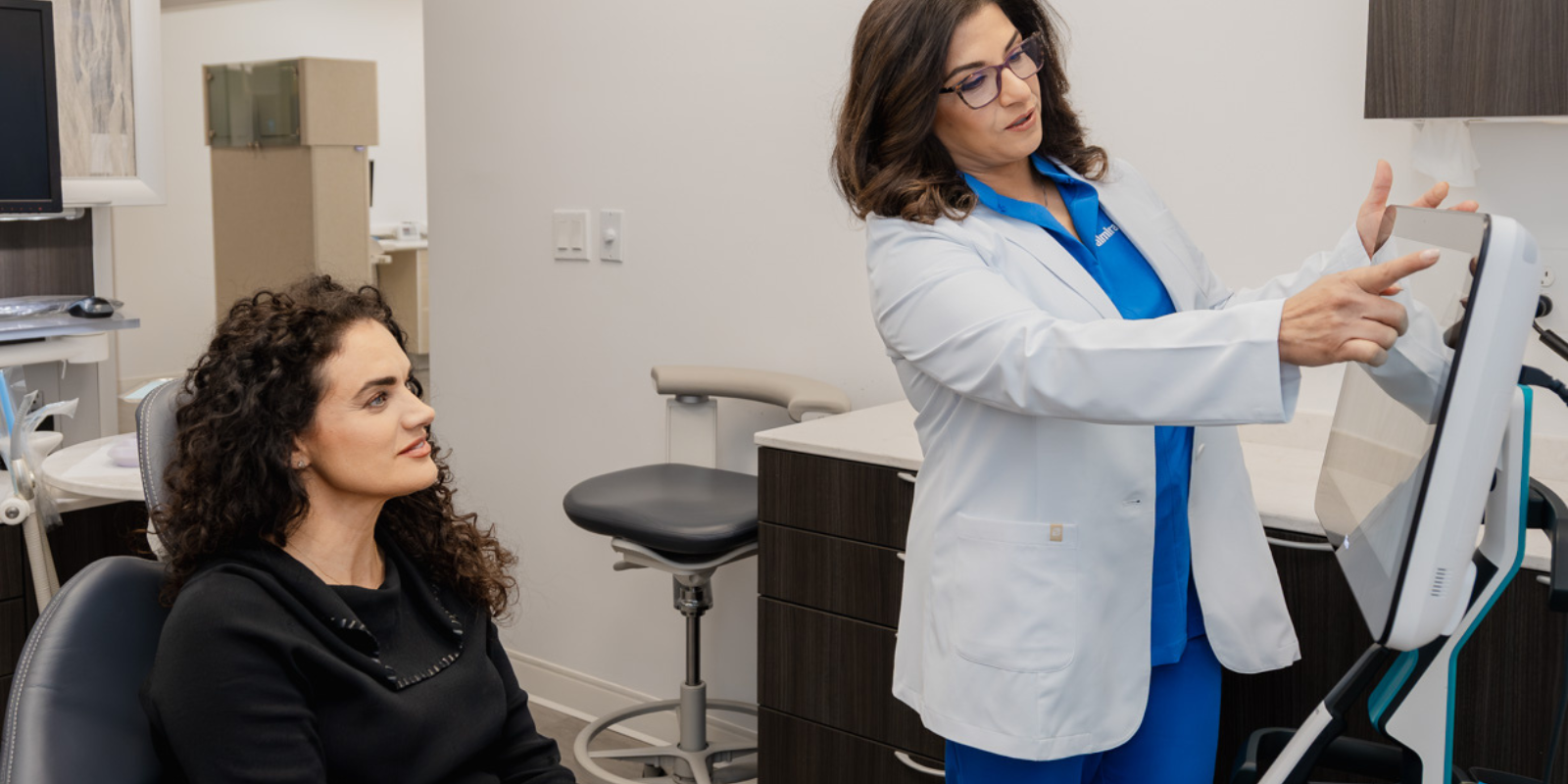
People often schedule a dental check-up the same way they schedule most things they'd rather not think about: when there's no longer a choice. Something aches. Something chips. Something that's been easy to ignore for months finally becomes impossible to.
It's a very human pattern. Life is busy, dental care is easy to put off, and most of us were told to go twice a year, if that, without ever really being told why.
But that "why" matters, so we're slowing things down to walk through it: what routine dental care is actually doing for you, how often it should happen (why that answer isn't the same for everyone), and when something warrants a call before your next scheduled visit. May is Dental Care Month, and June is Oral Health Month, which makes this a perfect time to revisit the habit. No matter the time of year, though, the principle holds up year-round.
What a Dental Check-Up Is Looking For
Most dental content tells patients to come in twice a year. Far less of it explains what happens during those visits or why those visits are worth protecting on your calendar. That transparency matters to us. At River Oaks Dental Arts, our standard is that patients always understand their care.
Here's what a comprehensive exam is actually doing:
The visual examination goes further than most patients expect. Teeth are one piece of a more complete picture. A thorough exam also looks at gum tissue, soft tissue, jaw alignment, and bite. What a dentist sees during those few careful minutes of observation is simply not available to a patient at home, no matter how attentive they are to their own mouth. Some changes are subtle. Some are early. That's precisely the point.
X-rays are for prevention, not just diagnosis. Most patients associate X-rays with finding a problem that already exists. In practice, their greatest value is finding what isn't visible yet: decay forming between teeth before it breaks the surface, and early bone changes that won't produce symptoms for years. When dentists talk about "catching things early," this is what that means in specific terms. It's the difference between a small intervention and a significant one.
Gum health screening may be the most underappreciated two minutes in dentistry. Gingivitis doesn't typically announce itself with pain. It tends to develop without dramatic signs, like bleeding during brushing that becomes easy to normalize, and slight puffiness that doesn't seem alarming until it progresses into something that is. A gum screening at a routine visit catches what patients often miss because these early signs are genuinely easy to overlook. The connection between gum disease and systemic health—cardiovascular disease, diabetes—is well-documented and often surprises patients who think a dental visit is only about their teeth.
Oral cancer screening is part of every comprehensive exam. Early intervention has always been the foundation of our practice, and that philosophy extends well beyond teeth. Every comprehensive visit includes screening for oral cancer, blood pressure monitoring, a head and neck exam for any unusual lumps or changes, and a visual check of the skin for early signs of skin cancer. Patients often don't realize any of this is happening.
With us, a visit to your dentist is a whole-person health check. Early detection in any of these areas leads to better outcomes, reduced treatment, and a lower financial burden down the road. That's the return on a routine visit that rarely gets talked about.
How Often, and Why That Answer Isn't the Same for Everyone
The twice-yearly recommendation is familiar and aligns with the American Dental Association's guidance. What's less familiar is the reasoning behind it, and the honest acknowledgment that for some patients, the right cadence is different.
For most adults, two visits per year, each with a professional cleaning, is the standard. Professional cleaning removes what daily brushing and flossing, even done well, cannot. Calculus, or tartar, builds up below the gumline in a way that requires trained hands and proper instruments to address. It's how teeth and gum tissue behave over time, and why professional care at regular intervals matters as a complement to what you do every day.
For some patients, twice a year isn't enough. Active gum disease, a history of dental cavities, dry mouth—often a side effect of common medications—tobacco use, diabetes, or pregnancy, all shift the standards. Dental care, like medical care, is individualized. Our approach starts with understanding each patient's specific history and risk profile before making recommendations, because the right answer genuinely varies.
A brief note on insurance: most plans cover two preventive dental care visits annually because prevention has a well-established return on investment. But that twice-yearly recommendation predates insurance by decades and reflects clinical evidence, not billing convenience.
When NOT to Wait for Your Next Scheduled Visit
Some of what follows will sound familiar. If you've been wondering whether something you're noticing warrants a call, this section is for you. Our goal isn't to create alarm, but to give you enough clarity to make a confident decision.
Sensitivity that lingers: A brief flash of cold sensitivity that resolves almost immediately is common. Sensitivity that persists for several minutes or arrives without an obvious trigger is the mouth's way of signaling that something has changed. It's worth a conversation before your next scheduled visit.
Bleeding gums: This is one of the most commonly normalized symptoms in dentistry. Consistent bleeding during brushing or flossing is often an early sign of gingivitis, and gingivitis is far more straightforward to address in its early stages than once it has progressed.
Visible changes: A white spot on a tooth. A sore in the mouth that hasn't resolved in two weeks. An unfamiliar texture on the soft tissue inside the cheek. These are worth a professional look, not necessarily because they're serious, but because they're worth ruling out. Early attention is almost always the simpler path.
Structural concerns: A cracked, chipped, or lost filling or crown may not hurt right away, but leaving it unaddressed creates conditions for problems that will. A quick call and conversation is worth it to avoid unnecessary pain!
Jaw discomfort or changes in bite: Often attributed to stress, and often set aside for that reason. If it persists, it's worth mentioning at a visit or prompting one.
Most of these are straightforward to address when identified early. The common thread is that knowing what to look for makes you a more confident advocate for your own health. That's the outcome we're after.
A Good Time to Begin the Habit That Actually Matters
Good dental care isn't about a month or a campaign. It's a steady, ongoing relationship between a patient and a practice that knows their history, understands their goals, and takes the time to explain the path forward.
At River Oaks Dental Arts, every relationship starts with understanding the full picture. The best dental work begins with a solid baseline. Building that baseline together is where we start.
If you've been putting off a check-up, there's no better time. River Oaks Dental Arts is welcoming new patients, and we'd be glad to be the practice that takes the time to get it right.