

Cosmetic Bonding
A conservative solution for small chips, gaps, and minor imperfections.
What is cosmetic bonding?
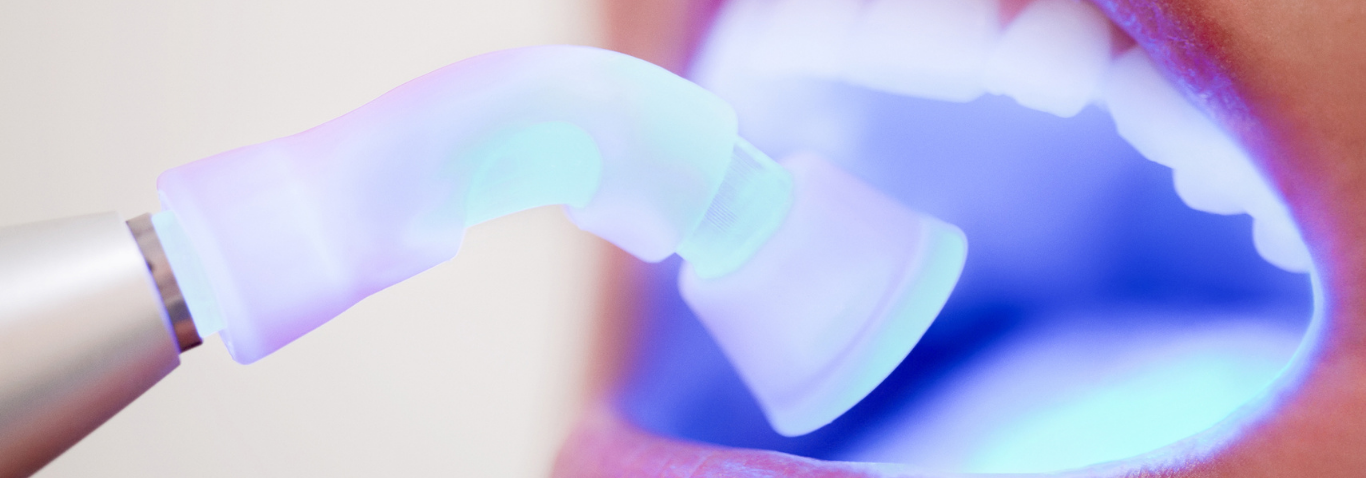
Cosmetic bonding is an excellent option for patients who want to improve their smile without extensive dental work. This procedure uses tooth-colored composite resin—the same material used in modern fillings—to repair chips, close small gaps, reshape irregular teeth, or cover minor discoloration. Unlike veneers or crowns, bonding requires minimal to no removal of your natural tooth enamel, making it one of the most conservative cosmetic dentistry treatments available.
When is bonding the right choice?
Bonding works beautifully for minor imperfections and subtle enhancements. It's ideal for fixing a chipped front tooth, smoothing out slightly uneven edges, filling small gaps between teeth, or covering a single discolored tooth. The procedure is quick—often completed in just one visit—and more affordable than porcelain restorations.
Understanding the Trade-Offs
While bonding offers many advantages, it's important to understand its limitations. Because the composite material is applied directly to your tooth with minimal preparation, the results are typically less dramatic than those achieved with porcelain veneers or crowns. Bonding is also somewhat less stain-resistant and durable than porcelain, lasting approximately 5-7 years with proper care compared to 10-15 years for veneers. However, if and when touch-ups are needed, they're simple and affordable.