

What Is a Smile Makeover?
(And How to Know If You're a Candidate)
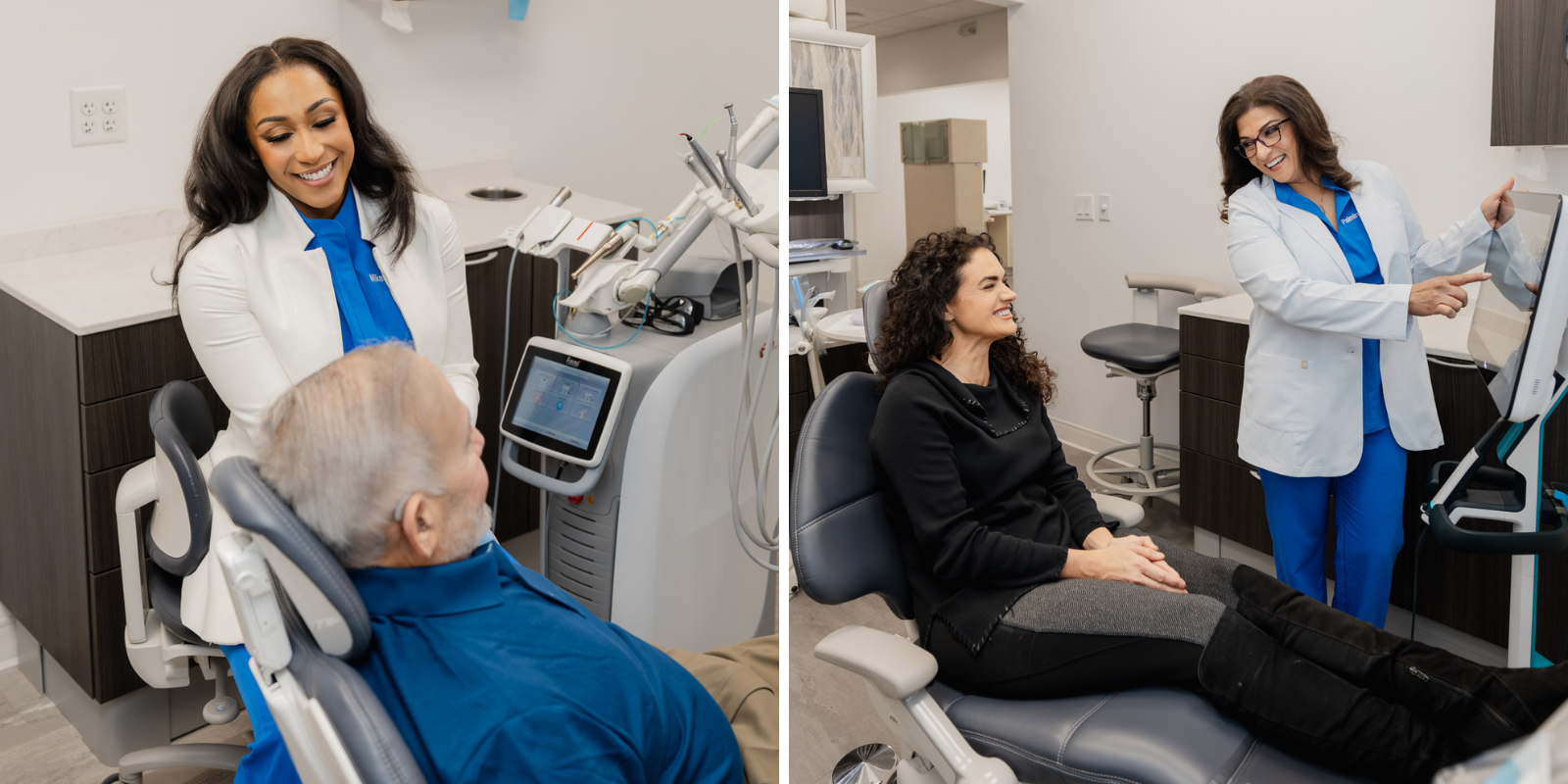
The phrase "smile makeover" gets used a lot in search results, in dental marketing, in the before-and-after photos that make people pause mid-scroll. But for something so commonly referenced, it's surprisingly rarely explained. What does a smile makeover actually involve? How is it different from fixing one thing? And how do you know if it would work for you?
If you’ve found yourself wondering about any of this, you’re in good company. These are some of the questions we hear most often during a consultation. We also love these questions because they show someone is truly thinking about their smile, and that’s one of our favorite conversations to have. Whether you've been thinking about your smile for years or because you're just starting to look into your options, this is a great place to start!
TL;DR of it all: A smile makeover isn't a single procedure. It's a personalized plan built around your specific goals, your oral health, and what a lasting result actually requires. Understanding what those smile makeover options look like is the first step toward knowing whether it's right for you.
What Treatments are Included in a Smile Makeover?
A smile makeover is a coordinated combination of cosmetic and, when needed, restorative dental treatments planned together to achieve a result that works as a whole rather than a collection of individual fixes. The specific combination varies by patient. We know how it sounds, but that’s not a vague non-answer; it's actually the point. Each smile makeover plan is built around the individual person.
That said, here are the treatments most commonly included:
Porcelain veneers are ultra-thin shells bonded to the front surface of teeth. They address color, shape, chips, minor gaps, and overall proportion, and when placed well, they create one of the most naturally beautiful results in cosmetic dentistry.
Teeth whitening is often the most accessible starting point. For patients whose primary concern is color, it may be the only treatment needed. For others, it may be the first or last step in a broader plan.
Invisalign and orthodontic alignment: when spacing or bite alignment affects the aesthetic result, often affecting function as well, Invisalign and orthodontic alignment become part of the plan. The way teeth meet determines how long a restoration will last. Addressing alignment isn’t just an aesthetic concern; it’s a foundational piece that makes everything else possible.
Dental bonding is a more conservative option for chips, gaps, and minor reshaping. It's less durable over time than veneers but appropriate in the right context, and with the precision and artistry behind our approach, the results can look genuinely seamless.
Gum contouring reshapes the gumline when its position or asymmetry affects the overall look of the smile. It's a smaller procedure that can have a significant visual impact.
Dental crowns are included when a tooth needs structural restoration alongside aesthetic improvement. A tooth that's heavily worn, fractured, or has a large existing restoration, for example.
Bite refinement addresses how upper and lower teeth meet. This sometimes needs to happen before cosmetic work can be effectively planned, because bite affects both durability and aesthetics.
Not every smile makeover includes all of these. A thorough consultation and evaluation determines which combination makes sense, and that determination is made before anything is prepared or placed.
How Is a Smile Makeover Different From a Single Cosmetic Dental Procedure?
A single cosmetic procedure addresses one thing. Whitening addresses color. A veneer addresses one tooth. Bonding addresses a chip. Each of those is a reasonable, standalone treatment for a contained concern.
A smile makeover addresses the whole picture from how teeth relate to each other, how the smile fits the face, to how a change to one element affects the visual balance of everything around it. That level of detail requires a different kind of planning.
At River Oaks Dental Arts, the process begins with a comprehensive evaluation: oral health, bite, facial proportions, and the patient's goals. Digital imaging maps what's possible before anything moves forward, so our patients can see the potential outcome before committing to it. From there, we sequence treatment with intention.
Every element of a smile makeover plan from the shape of a veneer, the position of the gumline, to the way the color reads against a patient’s complexion is considered in relation to everything else. A smile is a visual whole, and designing one requires a deliberate eye. The aesthetic result is agreed upon before a single tooth is touched because the artistry comes second to none.
This is also where oral health enters the picture. Cosmetic work is planned around a healthy foundation. If there are underlying concerns, such as early gum disease, a bite issue, or a structural problem that needs addressing, those are folded into the sequence, not treated as obstacles to the cosmetic plan. Beautiful, lasting dentistry is only possible when oral health and artistry are treated as one.
How to Know If You're a Candidate
Candidacy for a smile makeover isn't black and white. It depends on where you're starting and what you're hoping to achieve. That said, there are some clear indicators.
You're likely a good candidate for a smile makeover if:
You have concerns that affect more than one tooth—color, shape, proportion, spacing, alignment—and you want to address them as a cohesive plan rather than piecemeal over time.
You've felt self-conscious about your smile for a while and want a lasting result, not a temporary improvement.
You have some restorative needs alongside aesthetic goals: worn enamel, an old crown that no longer looks natural, a chip that's been there long enough that you've stopped noticing it daily, but you haven’t genuinely smiled for a photo in years.
You're in good overall oral health, or you're willing to get there as part of the process.
You want to understand your options fully before committing to anything.
A Note On Oral Health as a Starting Point
Patients with active gum disease, significant decay, or other unaddressed concerns aren't disqualified from cosmetic treatment. We address health first; cosmetic planning follows once we build a stable foundation. At River Oaks Dental Arts, the evaluation determines both what's possible and what needs to happen first. That conversation is part of the consultation, not a separate process.
A Note on Bite Concerns and TMJ
This question comes up often, and the answers are often different from what patients expect. Bite issues don't automatically rule out cosmetic treatment, but they do need to be part of the planning conversation. Veneers or other restorations placed without accounting for how the bite functions can fail prematurely or create new problems. A thorough evaluation addresses the structure of a smile before any recommendations are made.
If you're unsure whether you're a candidate, the consultation is exactly the right place to find out. It's a conversation, not a commitment, and what’s learned during that conversation can be a reason to plan more carefully.
How Long Does a Smile Makeover Take?
Two important timelines matter here, and they're often conflated.
Treatment Timeline
Treatment timeline for smile makeovers varies considerably depending on what's included. A makeover involving whitening and bonding might span a few appointments over several weeks. One that includes Invisalign, multiple veneers, and gum contouring can span months. The sequence of smile makeover procedures matters, and some steps must be completed before others can begin. The evaluation and treatment planning visit will establish the expected timeline upfront, so there are no surprises.
Longevity
Longevity is a different question, and an important one. Porcelain veneers typically last 10 to 15 years with proper care. Dental bonding has a shorter lifespan and may need periodic refinishing. Invisalign results are permanent with consistent retainer use. Whitening requires maintenance. The durability of a smile makeover depends on which treatments it includes and how well it's maintained. That is why your relationship with a practice that knows your history matters long after active treatment ends.
A well-planned smile makeover is a long-term investment. That's what distinguishes it from a quick fix, and what justifies the planning process that precedes it.
What Does a Smile Makeover Cost?
This is the question nearly every patient asks, and it deserves a candid answer. Again, though, we need to emphasize that smile makeover costs vary because the treatment varies. A plan that includes two veneers and professional whitening looks very different—in scope and in cost—from a full-mouth transformation involving alignment, multiple restorations, and gum recontouring. There is no honest single number that applies across the board, and practices that offer one without knowing anything about your situation are offering a ballpark, not a plan.
A consultation at River Oaks Dental Arts provides a clear, individualized estimate based on your specific case, the treatments that genuinely make sense for your goals, and the sequence in which they'd be completed. You'll leave knowing what's being recommended and why before any financial commitment is required. That transparency is part of how we operate across every aspect of care. The cost conversation is no exception.
A Note On Insurance
Most cosmetic procedures aren't covered by dental insurance. However, restorative components, such as a crown that addresses structural damage or treatment for a bite issue, sometimes are, depending on your plan. It's always worth asking, and our team will help clarify what your benefits may cover before treatment begins.
A Note On Financing
For patients who prefer to spread the cost of treatment over time, River Oaks Dental Arts offers financing options including Cherry, SunBit, CareCredit, and AfterPay. The team can walk you through how each option works and help you decide what fits your situation. Full financing and insurance details are available on our Patient Resources page.
Patients who address cosmetic concerns piecemeal, one thing at a time, without a coordinated plan, often spend more money over time and end up with results that don't quite work together. A planned approach that focuses on the entire picture typically produces a more predictable outcome, and the consultation is where that plan begins.

What to Expect at River Oaks Dental Arts
Smile makeovers at River Oaks Dental Arts begin the same way every relationship at our practice begins: with a thorough understanding of the full picture. Your oral health and history, bite, facial proportions, goals, and timeline. All of it informs the plan before we make any recommendations. Digital imaging is part of that process. Patients can see the planned outcome before committing. We designed the first appointment to be genuinely informative.
Services available as part of a smile makeover at RODA include porcelain veneers, Invisalign, professional whitening, gum contouring, dental bonding, restorative crowns, and bite refinement, all coordinated as a single, intentional plan, under one roof.
New patients are welcome.
A consultation is the right first step for anyone who has questions but isn't sure what they need yet, or who wants to know whether a smile makeover is even the right direction.